


10 June 2024
Hosting an event, whether it’s a wedding, corporate gathering, or community festival, requires meticulous planning and attention to detail. From coordinating vendors to ensuring timely setup and breakdown, managing event logistics can be a daunting task. However, with the right approach and preparation, you can execute flawless events that leave a lasting impression on attendees. In this comprehensive guide, we’ll explore the key aspects of event logistics and provide tips for mastering each stage of the process.
Pre-Event Planning
Define Your Objectives: Determine the purpose and goals of your event. What do you want to achieve, and who is your target audience?
Create a Budget: Establish a realistic budget that covers all aspects of the event, including venue rental, catering, entertainment, and transportation.
Choose the Right Venue: Select a venue that meets your needs in terms of capacity, location, and amenities. Visit potential venues in person to assess their suitability.
Secure Vendors: Research and book vendors such as caterers, decorators, audiovisual providers, and transportation services well in advance to ensure availability.
Logistics Planning
Transportation and Parking: Arrange transportation for attendees if necessary and ensure there is adequate parking available. Consider partnering with a reliable transportation service to provide shuttle services.
Equipment and Supplies: Create a detailed list of equipment and supplies needed for the event, such as tables, chairs, signage, and AV equipment. Arrange for delivery and setup ahead of time.
Timeline and Schedule: Develop a comprehensive timeline that outlines all key activities leading up to and during the event. Assign specific tasks to team members and vendors to ensure everything runs smoothly.
Emergency Plan: Prepare for unforeseen circumstances by developing an emergency plan that outlines procedures for handling emergencies such as medical incidents, severe weather, or technical issues.
Day-of-Event Execution
Setup and Layout: Ensure all vendors and staff members are aware of their responsibilities and the event layout. Supervise setup to ensure everything is in place according to plan.
Coordination: Assign a point person or team to oversee event logistics and serve as the main point of contact for vendors, staff, and attendees.
Communication: Maintain open communication with all stakeholders throughout the event to address any issues or changes as they arise.
Breakdown and Cleanup: Coordinate breakdown and cleanup efforts to ensure the venue is left in pristine condition after the event concludes. Arrange for timely pickup of rental equipment and removal of waste.
Post-Event Evaluation
Debriefing: Hold a post-event debriefing session with your team to discuss what went well, areas for improvement, and lessons learned.
Feedback and Evaluation: Gather feedback from attendees, vendors, and staff to evaluate the success of the event and identify areas for improvement in future events.
Financial Review: Review your event budget to assess actual expenses and identify any discrepancies or areas where costs can be optimized.
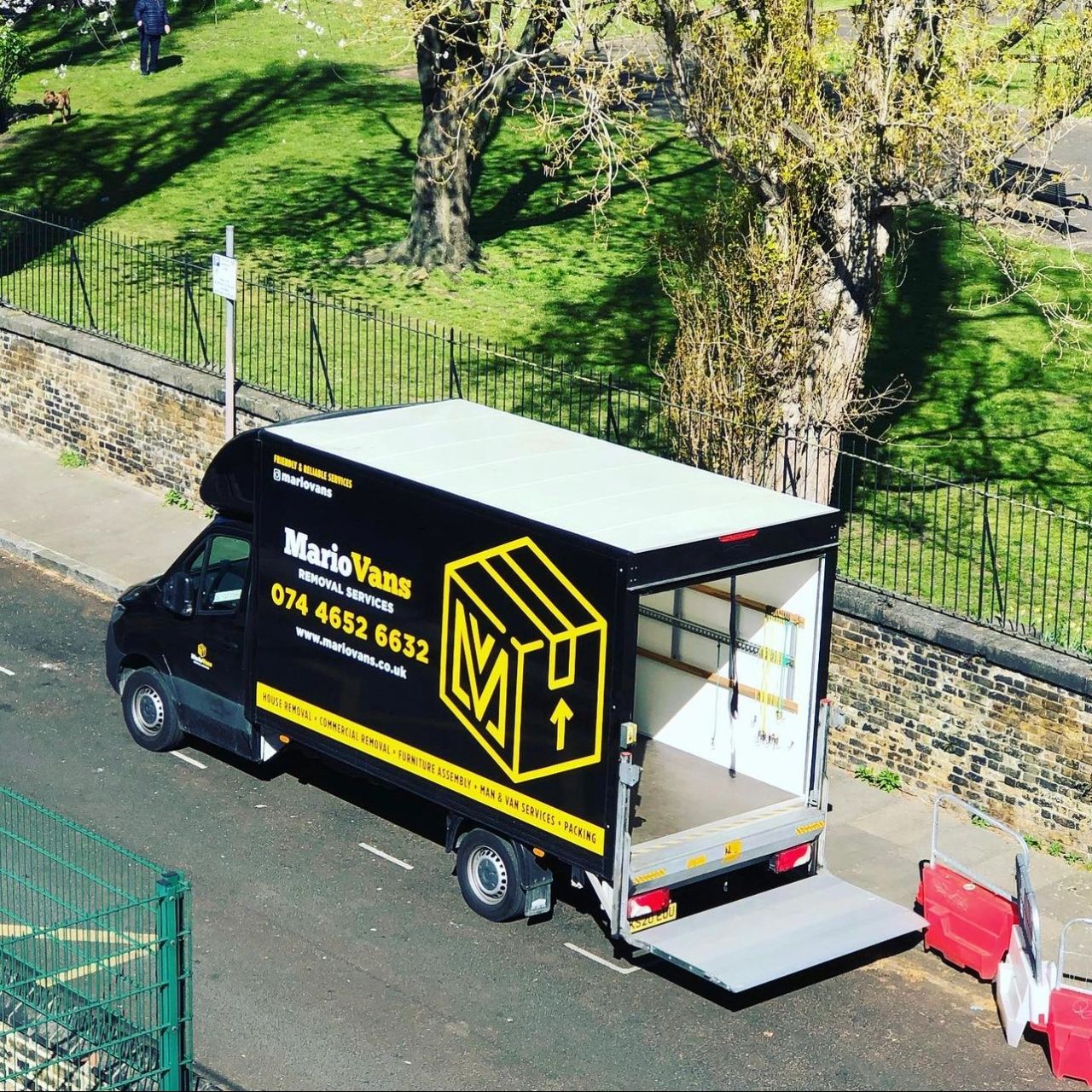
By following these guidelines and partnering with reliable event logistics experts like Mario Vans, you can ensure that your events are executed seamlessly from start to finish. With careful planning, attention to detail, and effective communication, you’ll be well-equipped to master event logistics and create memorable experiences for your attendees. Need help planning an event? Contact us today! We provide a friendly, reliable and professional service for an unbeatable price. Feel free to drop us an email today for a fully transparent, free quote. We are here to provide not only event logistics but removals and general man and van services.