


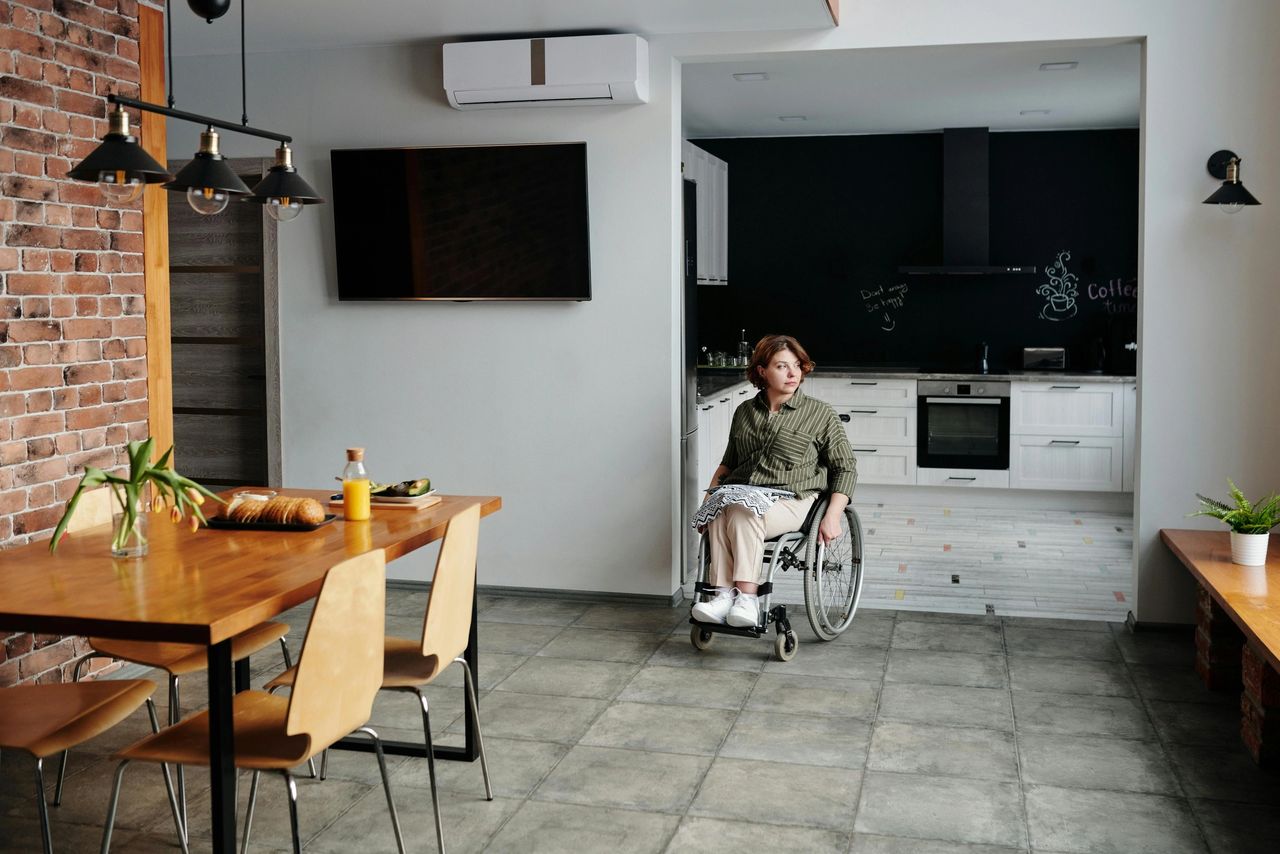
Moving can be a complex process for anyone, but when you or a family member has a disability, additional planning and accommodations are necessary to ensure a safe and smooth transition. Whether it’s coordinating accessibility requirements, ensuring effective communication, or arranging specialized transport, every aspect of the move needs to be planned with care.
At Mario Vans Removal Services, we understand that a move involves more than just the basics. Here’s a comprehensive guide to navigating the process with helpful tips, resources, and considerations to make your move accessible and hassle-free.
1. Plan Ahead for Accessibility Needs
Every move starts with a plan, but a disability-friendly move requires a plan that focuses on accessibility at every stage. From making sure movers know how to handle specialized equipment to ensuring your new home meets accessibility standards, planning ahead can help reduce stress and surprises on moving day.
Key Steps:
- Prepare the New Home: If possible, visit or conduct a virtual tour of your new residence to assess accessibility. Consider door widths, flooring types, bathroom accessibility, and other factors that could impact comfort and mobility.
- Secure Necessary Modifications: If your new home requires modifications, such as installing ramps or lowering countertops, coordinate with contractors ahead of time so these updates are complete before move-in day.
2. Consider Transportation for Mobility Equipment
If you use a wheelchair, walker, or other mobility aids, these will need extra care and planning to ensure they’re safely transported and ready for use as soon as you arrive at your new home.
Tips for Transporting Mobility Aids:
- Arrange Specialized Transport if Needed: For larger or motorized mobility equipment, discuss with your moving company the safest way to transport them, especially if the equipment is fragile or heavy.
- Keep Essentials Accessible: Pack a travel bag with the essentials you’ll need immediately upon arrival, including backup mobility aids, spare parts, chargers for motorized devices, and any necessary tools for reassembly.
- Inspect Equipment Upon Arrival: Once you’ve arrived at your new home, inspect your mobility aids to ensure everything is in working order and free of damage. Doing a quick check right away allows you to address any issues immediately.
3. Address Communication Needs for a Smooth Process
Communication is a critical part of the moving process, especially if you have specific instructions or accommodations that need to be discussed with movers. Effective communication ensures everyone understands your unique needs and can provide the necessary support.
How to Ensure Smooth Communication:
- Provide Written Instructions: It’s helpful to provide written notes for movers that clearly outline specific requirements, such as handling fragile medical equipment, where to store items temporarily, or layout preferences in the new home.
- Request Visual or Hearing Support, if Needed: If you or someone involved in the move is deaf or has hearing impairments, ask if the moving company can provide visual support or ensure that instructions are available in written or visual format.
- Designate a Contact Person: Having a family member or friend who can communicate on your behalf with movers or contractors can be a helpful way to ensure clear communication, especially if you require assistance during the move.
4. Prepare for Medical Equipment Transportation
For those with medical devices or equipment, transporting these items safely is a top priority. Medical equipment can be fragile, require special handling, or have specific storage needs.
Essential Tips:
- Pack and Label Carefully: Ensure medical equipment is packed securely in protective packaging and clearly labeled as fragile. Movers should be informed about which items need extra care.
- Plan for Temperature Control: If any medical supplies, such as medications or devices, require specific temperature conditions, arrange for proper transportation options to maintain their condition.
- Prepare a Backup Plan: Consider having a backup plan, such as keeping an emergency supply of medication with you or arranging for immediate replacements in case of an unforeseen delay or damage to equipment.
5. Arrange Accessible Transportation for the Move
Transportation is a major part of any move, and for those with mobility limitations or other disabilities, accessible transport options are essential. Look into various options, from accessible moving vans to personal transportation, to ensure a safe, comfortable ride to your new home.
Transportation Options:
- Coordinate with Ride Services: If you need a more personalized ride to your new home, look into accessible ride services that can transport you separately from the moving van.
- Request Help for Loading and Unloading: Ensure the moving company is aware of any needs for loading and unloading assistance so that all items, especially heavier or larger medical equipment, are safely handled during the transition.
6. Locate Disability Resources and Support in Your New Area
Moving to a new area can mean finding new healthcare providers, support organizations, and community resources. Researching these resources in advance can help ease the transition and ensure you have the support you need after the move.
Key Resources to Explore:
- Local Disability Support Services: Reach out to organizations that offer support for individuals with disabilities in your new area. Many cities and towns have disability resource centers, support groups, and accessible recreational options.
- Medical Facilities and Providers: If you have specific medical needs, research hospitals, clinics, and providers who specialize in disability care. Getting connected with a healthcare provider before you move ensures continuity of care.
- Transportation Assistance Programs: Some cities and states offer transportation services for individuals with disabilities, such as para-transit services or discounted public transport. Knowing your options can make commuting and errands easier once you’re settled in.
7. Set Up the New Space for Accessibility
Once you arrive, ensuring your new home is accessible will make the transition smoother. Even small adjustments can make a significant difference in daily comfort and safety.
Room-by-Room Accessibility Tips:
- Kitchen: Lower shelves for easy access, install pull-out cabinet organizers, and make sure frequently used items are easy to reach.
- Bathroom: Install grab bars, a shower seat, or an accessible showerhead. Non-slip mats are also essential for safety.
- Living Areas: Arrange furniture to allow for clear, wide pathways, and place light switches at accessible heights if needed. Adjusting the layout for easy maneuverability can create a safer and more comfortable space.
- Entrances: Install ramps or other modifications as needed to ensure you can enter and exit your home with ease.
Conclusion: Moving Made Accessible with Mario Vans
Moving with a disability requires extra planning, understanding, and resources, but with the right support, it doesn’t have to be overwhelming. Mario Vans Removal Services is dedicated to making moving accessible and manageable for everyone. Our team is able to help with the full process from packing to moving.
Whether you’re planning a move for yourself or helping a loved one transition to a new place, we’re here to help every step of the way. Contact Mario Vans Removal Services today to learn more about our moving options and how we can make your move as smooth and stress-free as possible.