


Whether you’re moving to a new city, renovating your home, or facing an unexpected delay between moves, storing your belongings safely is crucial. Proper storage can protect your items from damage, theft, and loss. At Mario Vans, we understand the challenges that come with storing belongings between moves. Here’s a comprehensive guide to help you navigate this process smoothly.
1. Assessing Your Storage Needs
Inventory Your Belongings: Start by taking an inventory of the items you need to store. Categorize them by size, fragility, and value. This will help you determine the amount and type of storage space required.
Estimate Storage Duration:, Consider how long you’ll need to store your items. Short-term storage might have different requirements compared to long-term storage, especially in terms of accessibility and climate control.
2. Choosing the Right Storage Solution
Self-Storage Units: Self-storage units are versatile and widely available. They come in various sizes, allowing you to choose one that fits your needs. Look for facilities with good security features such as surveillance cameras, gated access, and on-site staff.
Portable Storage Containers: Portable storage containers are delivered to your location, where you can load them at your convenience. The container is then transported to a storage facility or your new home. This option offers flexibility and convenience, especially for those who prefer to pack at their own pace.
Full-Service Storage: Full-service storage companies pick up your belongings, store them in a secure facility, and deliver them to your new location when needed. This option is ideal for those who prefer a hands-off approach and want professional handling of their items.
Climate-Controlled Units: For sensitive items such as electronics, artwork, antiques, and documents, consider a climate-controlled storage unit. These units maintain a consistent temperature and humidity level, protecting your belongings from extreme weather conditions.
3. Preparing Your Items for Storage
Clean and Dry Items: Ensure all items are clean and dry before storing them. This prevents mold, mildew, and unpleasant odors from developing over time.
Disassemble Furniture: Disassemble large furniture pieces to save space and reduce the risk of damage. Keep screws and small parts in labeled bags taped to the furniture.
Use Quality Packing Materials: Invest in sturdy boxes, bubble wrap, packing paper, and plastic covers to protect your items. Avoid using newspaper as it can transfer ink onto your belongings.
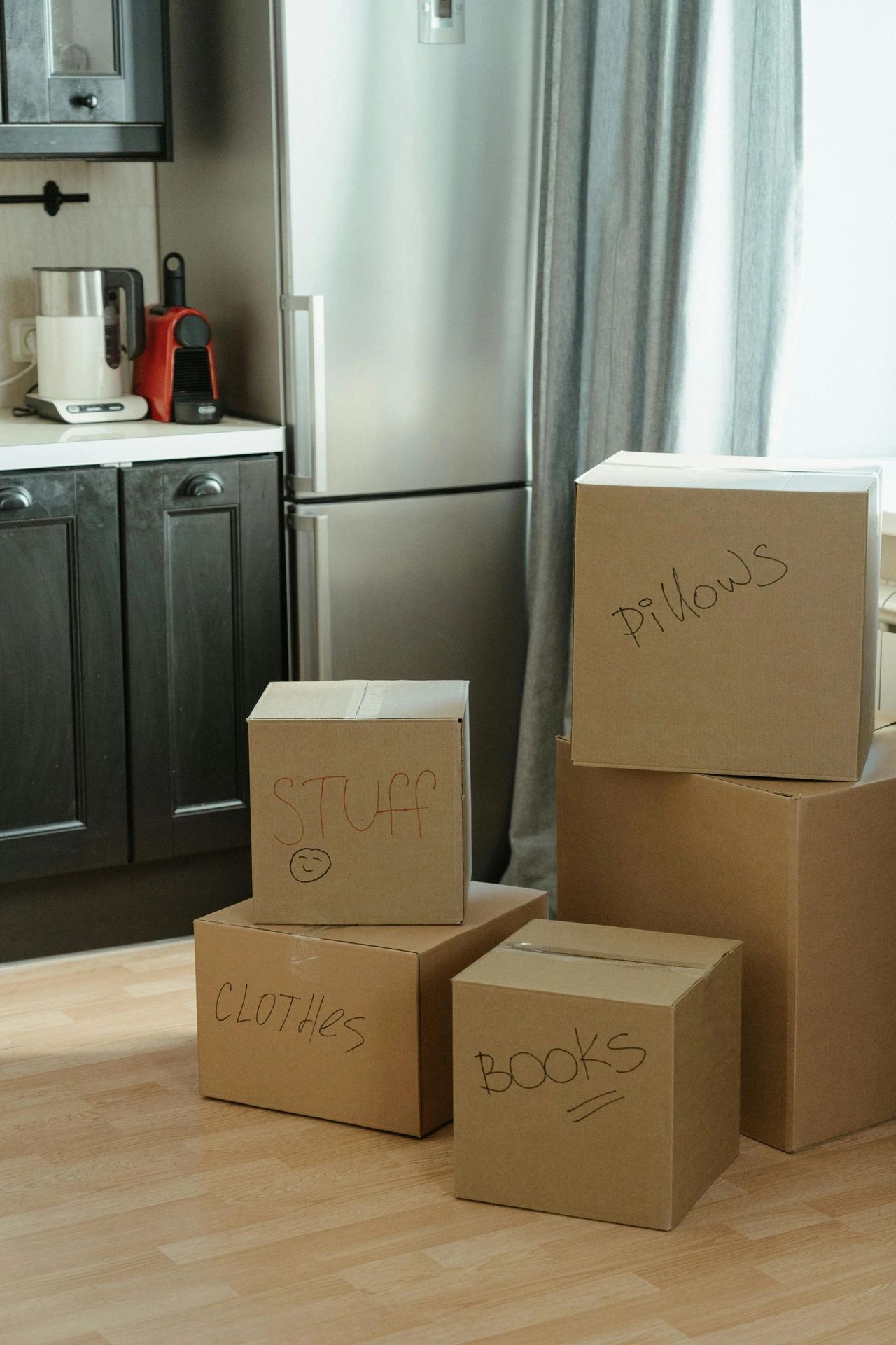
Label Boxes Clearly: Label each box with its contents and the room it belongs to. This makes it easier to locate items when you need them and simplifies the unpacking process later.
Protect Fragile Items: Wrap fragile items individually in bubble wrap or packing paper and use sturdy boxes with dividers. Mark these boxes as “Fragile” to ensure careful handling.
4. Maximizing Storage Space
Utilize Vertical Space: Stack boxes and containers to make the most of vertical space. Place heavier items at the bottom and lighter, more fragile items on top.
Store Items Strategically: Place items you may need access to more frequently near the front of the storage unit. Seasonal items and things you won’t need immediately can go towards the back.
Use Furniture for Storage: Store smaller items inside furniture such as drawers and cabinets to maximize space.
5. Ensuring Security and Accessibility
Choose a Secure Facility: Select a storage facility with robust security features such as 24/7 surveillance, gated access, and individual unit alarms.
Insure Your Belongings: Consider purchasing insurance for your stored items. Some storage facilities offer insurance plans, or you can check with your homeowner’s or renter’s insurance provider.
Keep an Inventory: Maintain an inventory list of all items in storage, including photos and descriptions. This helps keep track of your belongings and is useful for insurance claims if needed.
Access Hours: Check the access hours of your chosen storage facility. Some facilities offer 24/7 access, while others have restricted hours. Choose one that fits your schedule and needs.
6. Moving Items to Storage
Hire Professional Movers: Consider hiring professional movers like Mario Removals to transport your belongings to the storage facility. Professionals ensure that items are handled carefully and packed efficiently.
Use a Moving Truck: If you prefer to handle the move yourself, rent a moving truck to transport large items. Ensure you have the necessary equipment, such as dollies and moving blankets, to protect your belongings.
7. Retrieving Items from Storage
Plan Ahead: When you’re ready to move your items out of storage, plan ahead to ensure a smooth process. Schedule a convenient time for retrieval and check the condition of your items.
Inspect Items: Upon retrieving your belongings, inspect them for any damage that may have occurred during storage. Address any issues immediately with the storage facility or your insurance provider.
Storing your belongings between moves doesn’t have to be a stressful experience. By following these tips and choosing the right storage solution, you can ensure your items remain safe and in good condition. At Mario Vans Removal Services, we’re here to help with all your moving and storage needs. Contact us today to learn more about our services and how we can assist you in your moving journey. Happy moving!